Guarantees of children's rights: from the rule of law to practical effectiveness
 publisher
ARTICLE
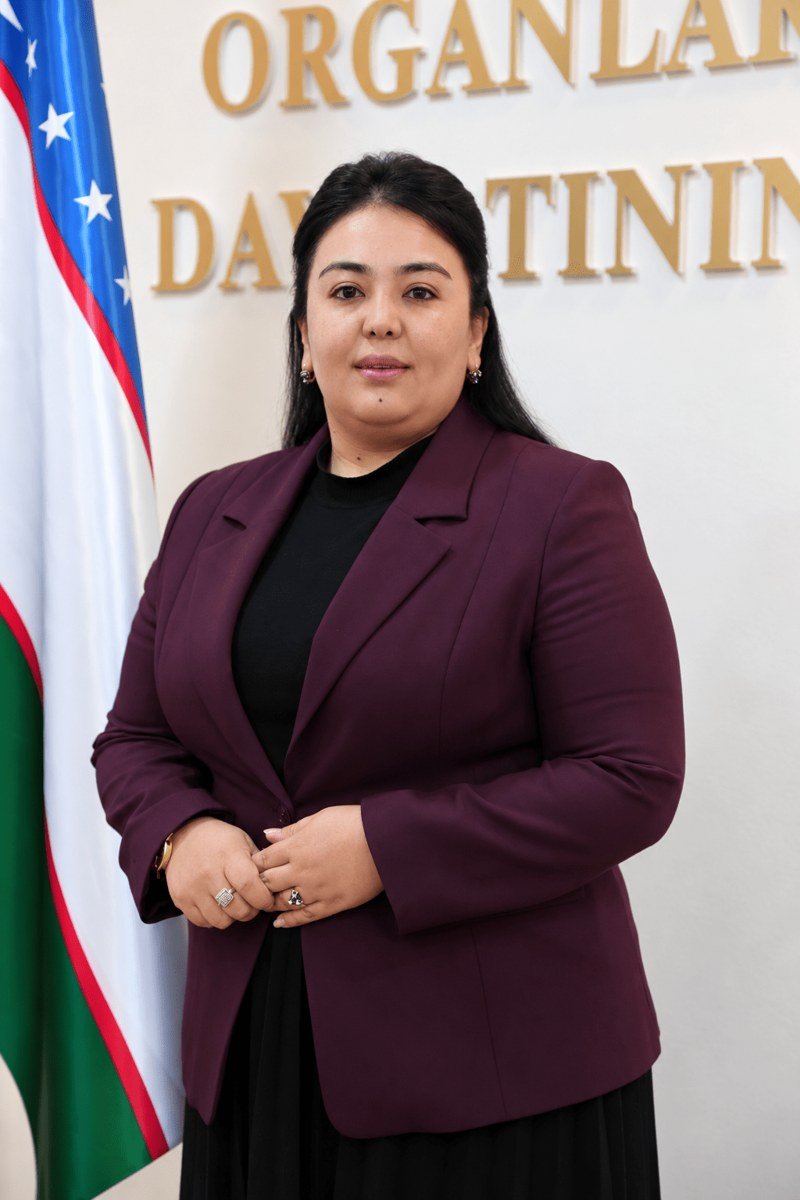
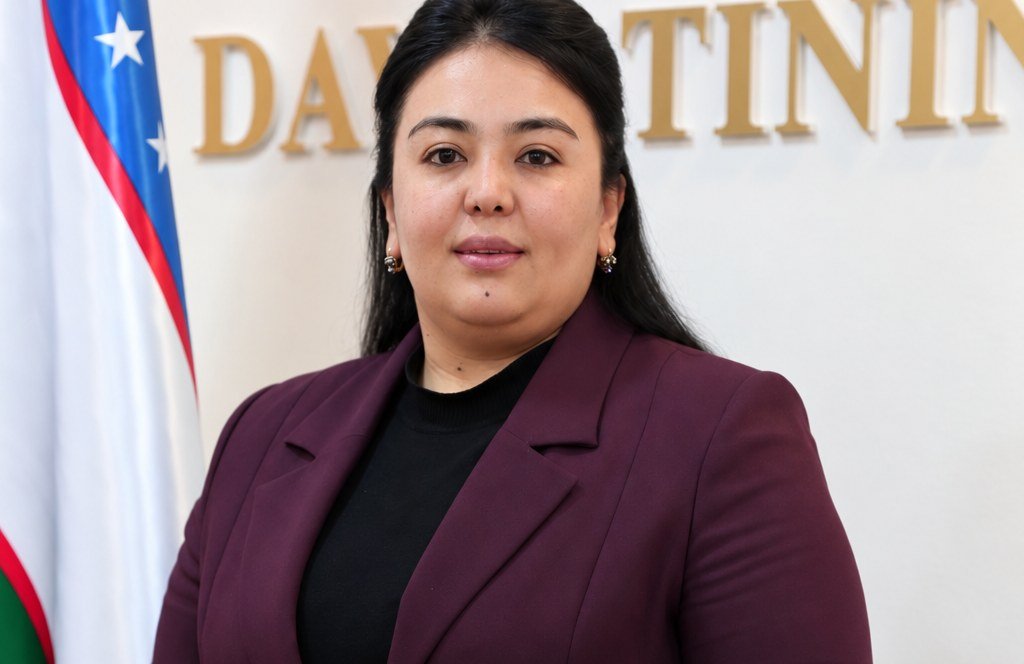
Laziza NIYOZOVA
Chief researcher of the Parliamentary Research Institute under the Legislative Chamber of the Oliy Majlis
In recent years, significant changes have been observed in the legislation and practice on the protection of children's rights in Uzbekistan. How do these reforms ensure the safety and best interests of children?
November 20 - World Children's Day
Today the world celebrates International Children's Day. On this day in 1959, the UN General Assembly adopted the Declaration of the Rights of the Child, and in 1989, the Convention on the Rights of the Child. By the decision of the Supreme Council of Uzbekistan on December 9, 1992, our country joined this Convention. In the last two years, the status of the child as an independent right holder has been further strengthened in the national legislation.
According to the National Statistics Committee, as of January 1, 2026, the number of children aged 0-14 in Uzbekistan was 11,630,879. This age group alone makes up more than 30 percent of the country's 38.2 million population. Therefore, ensuring the rights of the child is a special responsibility of the state in areas ranging from education and health care to social protection and justice.
Reforms in this field are being consistently continued at the initiative of the President. The strategy of protecting children from all forms of violence for 2026-2030 was approved by the decree of the head of our country No. PF-256 dated December 24, 2025. New procedures for working with affected children were introduced by presidential decrees and decisions adopted in 2026, based on which amendments were made to laws. On the occasion of November 20, it is appropriate to evaluate these documents from the child's point of view. Does a child in need of protection receive help on time, and to what extent is his opinion taken into account in decisions affecting his life?
Constitutional and legislative foundations
The newly revised Constitution established the basis of this policy. According to its Article 78, it is the responsibility of the state to ensure and protect the rights, freedoms and legal interests of the child, to create the best conditions for his full physical, mental and cultural development. Article 44 prohibits any form of labor that endangers the child's health, safety, morals, mental and physical development, including the child's education. According to Article 77, the state and society ensure the feeding, upbringing and education of orphans and children deprived of parental care.
These norms, along with the Law on Guarantees of Children's Rights adopted in 2008, form the core of the field. This year, an important change was made to it. According to the Law No. ORQ-1156 dated July 1, 2026, the concept of "best interests of the child" was added to Article 3 of this Law. In 13 articles of the Family Code, the Civil Procedure Code and the Law "On Guardianship and Sponsorship", the phrase "child's interests" was replaced by "the best interests of the child".
True, the requirement to take the child's opinion into account existed before. The decision of the Plenum of the Supreme Court No. 23 dated September 11, 1998 explained that the fact that one of the parents is in a better financial situation cannot be the basis for giving the child to him, and the court can take into account the wishes of the child who can think independently. What is new in 2026 is that "best interests" are now defined in the law itself. They are derived from the child's rights stipulated in the Constitution, laws and international agreements and are determined taking into account the child's own participation and opinion. With this Law, the right of the child to express his opinion in any matter concerning him, including court or administrative proceedings, was strengthened. In this way, the paramount interest in Article 3 of the Convention and the child's right to be heard in Article 12 have a clear criterion in national legislation.
What has changed in protecting children from violence?
Recognition of violence against a child is the first condition for its protection. The Law "On Protection of Children from All Forms of Violence" adopted on November 14, 2024, in addition to physical, sexual and mental violence, neglecting a child, exploiting and harassing it (bullying) was defined as a form of violence. The law also introduced a procedure for issuing a protection order to a child victim. The order is issued by internal affairs bodies for up to 30 days, the court can extend it. For example, a warrant prohibits a person who commits violence from being in the same room or vehicle with a child, as well as having contact with him.
Sometimes it is necessary to temporarily remove a child from his family for his safety. So who will take care of him? This issue was also addressed in Decree No. PF-256, which approved the above-mentioned Strategy. From February 1, 2026, the service of placing children taken from their families due to violence or who are at risk to a specially trained foster family was introduced. From March 1, it was decided to launch the "Loving Family" service for parents of children in need of social protection in "Inson" social service centers. This service helps parents to restore the broken relationship with their child.
A child cannot always tell what he experienced. Therefore, the responsibility of the employee who detected the violence was determined. The decree stipulates that from September 1, 2026, employees of education, health and social protection organizations will be held administratively liable if they do not report a case of violence against a child. According to the Law No. ORQ-1174 dated September 11, 2026, a person who has been held administratively responsible for physical or mental violence against a child during his pedagogical activity cannot engage in pedagogical activities in preschool, general secondary, secondary special, professional and additional educational organizations for children for one year.
The same law also clearly defined the period of notification of a child who is orphaned or deprived of parental care. A person who finds out about such a situation must notify the guardianship and guardianship body in the place where the child is staying within twenty-four hours. The decision to appoint a guardian or sponsor for a minor is now made by the director of the "Inson" center. In this way, it was clarified who is responsible for the neglected child and when he will take action.
It is also important who works with the child during the investigation and court process. Decree No. PF-33 of March 3, 2026 approved the proposal that from November 1, 2026, only the prosecutor's office will carry out pre-investigation and preliminary investigation of the crimes provided for in Articles 118, 119, 121, 128, 128¹ and 129 of the Criminal Code. The decree stipulates that from January 1, 2027, crimes related to harassment and violence against women and children will be investigated by specially trained investigators, and such cases will be heard by specially trained judges.
Law No. ORQ-1180 of October 14, 2026 established a penalty of fifteen to twenty-five years or life imprisonment for touching the honor of a child under the age of fourteen or using violence against him to satisfy sexual needs in an unnatural way. A conditional sentence shall not be applied to a person whose intentional crime caused the death of a child. This Law strengthened an important guarantee for the child himself. A child who has suffered or witnessed violence has the right to receive legal assistance at the expense of the state from the moment of involvement in the relevant procedural action.
These documents complement each other. In addition to increasing the punishment, early detection of violence, the obligation to report it, measures not to re-injure the victim during the investigation and court process, and to return him to the family environment are combined into a single system.
New mechanisms in practice
How the principle in the law looks like in practice can be seen in the example of Samarkand. According to the decision of the President of October 14, 2026 "On additional measures aimed at improving the system of social protection of children", the "Najot" children's center was established in the city of Samarkand based on the "Barnakhus" model. According to the decision, from October 20, procedural actions such as questioning of the victim of the crimes committed in the territory of Samarkand region, listed in the decision, taking a sample for examination, showing him for identification, will be carried out in specially equipped rooms of the center. A specially trained prosecutor's officer (interviewer) works with the child based on the conclusion of the psychologist of the center. The process is mandatorily audio and video recorded, these recordings can be used as evidence without summoning the child to court.
It is difficult for the injured child to repeatedly tell the story of his experience in different agencies. In the Najot center, interrogation and other necessary procedural actions are conducted in one place, in conditions suitable for the child. The purpose of this is to protect the child from further trauma during the investigation. Such a center was first established in Iceland in 1998, and by 2018, such services were established in more than ten European countries. Currently, the Najot center provides services to the Samarkand region. According to the decision, the experience of the center will be studied, and by December 2028, a proposal will be made to establish similar centers in other regions.
In some cases, it is necessary to change the daily routine of the institution to ensure the interests of the child. According to the Presidential Decree No. PQ-395 of November 12, 2026, two "Mother and Child Centers" will be established for children under the age of three from December 1. One will be opened on the basis of the Children's House at the penal colony number 21, and the other one will be opened at address-colony number 42. Each group, which works day and night in special state preschool educational institutions, is designed for up to five children. A mother can stay with her child during her free time and stay with her at night. In this way, conditions are created for the mother serving the sentence to directly participate in the daily care of her child.
Who protects children's rights?
Parliamentary control over the observance of children's rights in Uzbekistan is carried out by the Children's Ombudsman. This position was introduced in 2019 as a deputy representative for human rights, and in 2021 it became an independent institution. The Law No. ORQ-917 of February 29, 2024 established the powers and guarantees of independence of the representative. The representative is elected by the chambers of the Oliy Majlis for a five-year term on the recommendation of the President. Every year, the representative submits a report to the parliament on how state bodies comply with children's rights.
"Inson" centers of the National Social Protection Agency in districts and cities have a special place in providing on-the-spot assistance to the child. For example, when a report of child abuse is received, the center's specialists, together with other responsible agencies, assess the child's risk. Accordingly, measures to protect it are determined.
Can the child ask for help?
In 2024, the Children's Ombudsman received 1,064 appeals, and in 2025, their number reached 1,934. 42 of them, i.e. 2.17% of the total appeals, were sent by the children themselves. The law gives the child the right to independently file a complaint with the representative, and the representative must consider it. In order to use this right in practice, the child must know who and how to address, and be able to communicate without the help of adults when necessary.
Some appeals are related to the daily maintenance of the child. In 2025, the Children's Ombudsman helped to collect alimony debt of 403 million 745 thousand soums. Every month that alimony is delayed, the child's food, clothing, or education expenses are borne by the parent who takes care of him or her. Therefore, the timely arrival of the payment for the benefit of the child is as important as the amount of money collected.
Sometimes the child tells about what he experienced, and sometimes his relatives or his teacher are the first to notice that he is struggling. In both cases, it is important to listen to the child without rushing, take into account his opinion and help him in time. The effect of the measures taken can be seen in the child's daily life. He should feel safe at home and at school, and know who to trust when he is in trouble.
Next tasks in law enforcement
The decision of the court should show how the opinion of the child was taken into account. An example of this is the dispute about which of the children will stay with the parents when they live separately. The decision of the Plenum of the Supreme Court No. 23 of September 11, 1998 explains the procedure for determining the child's opinion. Now it is appropriate to complete this explanation. In its decision, the court must justify how it determined the child's opinion, how it evaluated it, and why the chosen solution corresponds to the child's best interests.
Regardless of the area where the victim lives, it is necessary to create suitable conditions for him during the investigation. Studying the experience of the "Najot" center in Samarkand from now on will help in establishing such centers in other regions. It is important to pay attention to how many times the child was interrogated and what kind of psychological support was given to him. It is also appropriate to make the participation of a psychologist mandatory in the questioning of the injured child. From January 1, 2027, criminal cases related to harassment and violence against women and children will be conducted by specially trained investigators and judges. It is necessary to strengthen their ability to communicate with the child through regular practical training.
The child must be able to refer independently and safely. Every student needs to know who to talk to at school or where to write online when they need help. The application procedure should be explained in simple language suitable for the child's age. It is important that the child knows in advance who will read his message and what kind of help he can get, and that information about him is kept confidential.
It is also necessary to make a legal assessment of cases of access to the child's trust through the Internet. Law No. ORQ-1180 established administrative responsibility for placing on the Internet an information product prohibited for distribution among children. In the digital environment, the danger to a child can also arise in personal correspondence. Decree No. PF-33 examines the issue of using a minor for sexual purposes, as well as gaining his trust through the Internet, i.e. online grooming, and makes reasonable proposals.
The result of the assistance provided to the child should be evaluated under the supervision of the Parliament. It is expedient for the chambers of the Oliy Majlis to regularly study the implementation of Law O'RQ-996 and laws adopted in 2026 by region. For example, along with the number of protection warrants, it is necessary to analyze the number of cases of repeated violence after the warrant was issued. In the case of children placed in a family with professional care, their adaptation to a new environment and the kind of support provided to the family should also be taken into account.
On International Children's Day, much is said about the importance of laws passed in recent years. For a child, the meaning of these changes is simple.
❝ He should be able to express his opinion freely when it comes to deciding where and with whom he lives, and when he is in danger, he should be able to ask for help and get that help in a timely manner. ❞
Laziza NIYOZOVA,
Chief researcher of the Parliamentary Research Institute under the Legislative Chamber of the Oliy Majlis
Source: UzA