The voice of the people is on the lines of the law: openness in the work of the national parliament is at a new stage
ARTICLE
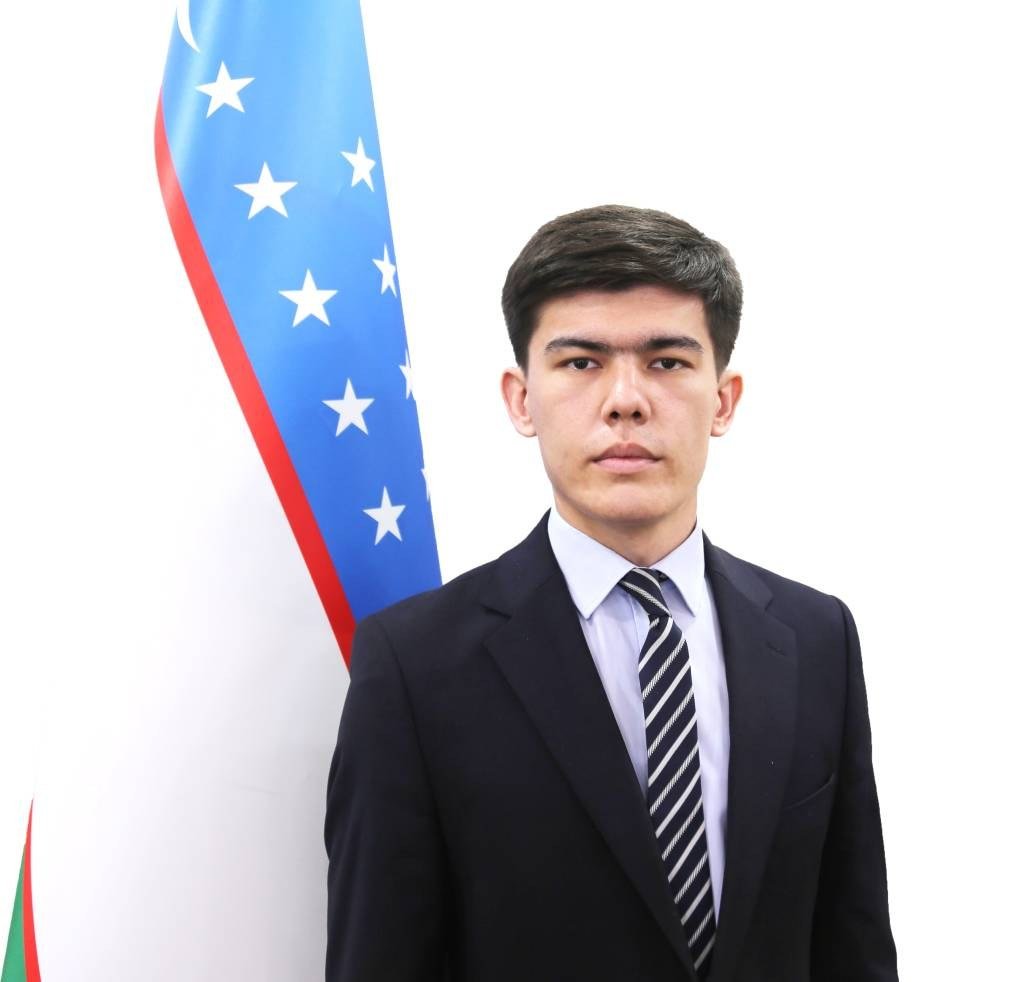
Salimboy GAYRATOV
Leading researcher of the Parliamentary Research Institute under the Legislative Chamber of the Oliy Majlis
A law is a written agreement of society. The more it reflects the opinions, needs and concerns of citizens, the more viable and fair it will be, and the more thorough its implementation will be. In this sense, the openness of the parliament serves as a bridge that brings the voice of the people to the lines of the law.
Today, a citizen can watch the session of the Legislative Chamber live, send a proposal to a bill, and listen to a conversation of a deputy explaining the contents of the new document in simple language. A few years ago, it was difficult to imagine such a scene.
These changes did not happen by themselves. They are based on the political will of the head of state, the guarantees enshrined in the new Constitution, and the consistent pursuit of the "Open Parliament" principle of our national parliament.
First steps towards openness
One of the important steps in this direction was taken in 2017. On July 12, President Shavkat Mirziyoyev held a video selector meeting with representatives of the chambers of the Oliy Majlis, political parties and the Ecological Movement. The head of our state emphasized that the central and regional TV channels should broadcast the work of party groups in the parliament, including the discussion of bills, parliamentary control activities and debates between factions in a "live" manner, if necessary, directly to our people. This meeting can be evaluated as one of the first steps towards the implementation of the principle of "Open Parliament" in our country and the formation of its institutional foundations.
Nineteen days later, on July 31, the meeting of the lower house devoted to the discussion of draft laws was broadcast live for the first time on "Uzbekistan" TV channel. In this way, citizens directly witnessed the debates in the national parliament.
The next step allowed the citizen to apply directly to the Oliy Majlis. In April 2018, the portal of collective electronic appeals "My opinion" was launched.
The new version of the Constitution adopted in 2023 through a national referendum created a solid legal foundation for this process. The role of the National Parliament was significantly strengthened, the absolute powers of the Legislative Chamber were increased from 5 to 12, and the Senate from 14 to 18.
On November 18, 2024, at the first meeting of the newly convened Legislative Chamber, the President addressed the deputies saying, "You are the representatives of the local people, the voice of the people." In order to strengthen communication with civil society institutions, the head of state proposed to establish a public council consisting of representatives of civil society under each committee of the Legislative Chamber.
At the same meeting, the idea of establishing the Parliamentary Commission on Community Initiatives to support citizens' initiatives was also put forward. These proposals are aimed at expanding the participation of citizens in law-making.
Legal guarantees
The principle of "Open Parliament" rests on three pillars. These are the openness of information about the parliament, the transparency of the decision-making process and the active participation of citizens in this process. The Legislature has taken concrete steps in all three directions in recent years.
First of all, this principle is guaranteed by law. According to Article 10 of the Constitutional Law "On the Legislative Chamber of the Oliy Majlis of the Republic of Uzbekistan", the meetings of the Chamber are held openly and publicly, representatives of the press, television, radio and other mass media can be invited to them. In accordance with Article 20 of the law, committee meetings are held in public. The decision to hold a closed session is made only when necessary.
A clear procedure has also been created for journalists. The procedure for accreditation of media representatives before the chamber was approved by the decision of the Council of the Legislative Chamber No. 837-IV of April 5, 2021. The purpose of accreditation is to organize quick, open, broad and impartial coverage of information about events held in the chamber.
Parliamentary control is also in the public eye. As part of the "Government Hour", members of the government answer the questions of the deputies, through the parliamentary questions, the officials are asked to account for the current problems. According to Article 118 of the Constitution, the Legislative Chamber has the right to hear the report of a member of the Cabinet of Ministers and, based on its results, propose to the President the resignation of this member.
Yesterday and today
Compared with the recent past, it seems that the openness of the national parliament has reached a new level in terms of quality. This can be observed in almost all areas of parliamentary activity.
Yesterday, regular monitoring of the sessions of the Legislative Chamber was limited. Presidential Decree No. PF-6247 of June 16, 2021 established the direct broadcasting of the Oliy Majlis Chambers and local Council meetings on TV channels and the Internet from December 1, 2021. Today, plenary sessions are broadcasted live through the official website of the Legislative Chamber, and every citizen has the opportunity to follow the discussion of bills online.
Yesterday, there was no mechanism to collect citizens' initiative in electronic form and deliver it to the parliament. Today, a collective appeal that has received at least 10,000 votes on the "My Opinion" portal will be sent to the chambers of the Oliy Majlis and will be considered within 60 days.
The previous Constitution did not provide for direct input of citizens into the legislative process. Article 98 of the new version of the Constitution gives at least 100,000 citizens with the right to vote the right to submit a legislative proposal to the Legislative Chamber. In this way, the citizen is turning from an observer of law-making to a direct participant in it.
The method of discussion of draft laws is also changing. Previously, it was difficult to clearly show the contribution of the citizen to the fate of the project, today this effect is visible in numbers. For example, the draft concept of state policy on freedom of conscience and religion was put up for public discussion from January 31 to February 9, 2025. More than 400 comments, proposals and recommendations were received from the population, changes and additions were made to more than 10 points of the concept based on the suggestions of citizens and deputies.
Along with technical capabilities, the change is felt in the culture of the parliament. Transparency increases the responsibility of the deputy, because every speech and position is in the eyes of the voter. Openness is no longer limited to individual events, but is manifested in meetings, discussions of draft laws and daily communication with the people.
New forms of communication
The language of communication with the people has also been radically updated. Previously, information about the parliament was given mainly in the form of official news, but today the Legislative Chamber actively participates in the information field. In addition to the official website, the chamber's pages on YouTube, Telegram, X, Instagram and Facebook networks are regularly maintained, news is delivered to the people in a simple and understandable language.
Each platform has its own task. The Telegram channel quickly delivers news about the Chamber's decisions and discussions, and familiarizes citizens with the essence of the draft laws under consideration. The Instagram page highlights the questions and opinions of the deputies regarding the draft laws during the discussions. Pages on other networks serve to reach audiences of different ages and interests.
One of the innovations in this regard is the "Parliament FM" podcast launched on the YouTube page of the Legislative Chamber. In it, deputies explain the content of legislative initiatives and bills being adopted in a simple, fluent language. This free conversational format allows the citizen to learn from the first source why the project is needed, to whom and how it will be affected.
The activities of committees and factions are also widely covered. Before the plenary session, draft laws undergo a preliminary discussion in committees and factions, factions openly state their positions. For example, on July 1, 2025, in the discussion of the project on strengthening the responsibility of farmers, Ozlidep and "Milliy Tikaln" supported it, while the deputies of the People's Democratic Party and "Adolat" strongly objected. Such debates show that factions of political parties have their own positions on draft laws and seek to protect the interests of their voters.
Today, debates on draft laws are not limited to the hall of plenary sessions. On the official pages of political parties and deputies in social networks, objections and relations expressed at faction meetings are also regularly announced. As a result, citizens are able to observe the discussions about the projects and see how well their elected deputies protect the interests of the people at the podium of the parliament.
International criteria
The Declaration of Parliamentary Openness is often mentioned as an international standard of parliamentary openness. It was presented at the World Electronic Parliament Conference held in Rome on September 15, 2012, the International Day of Democracy. The document was developed by the community of organizations that monitor the activities of the parliament, and it consists of 44 rules.
The declaration is based on four principles. They are to create a culture of openness, ensure transparency of parliamentary information, facilitate the use of information and deliver information in electronic form. The culture of openness begins with the recognition that information about the activities of the parliament should be open to the public and that citizens have the right to freely use it. Transparency requires the regular delivery of information to the public about the powers of the parliament, the activities of deputies, the agenda of meetings, the results of voting and the use of budget funds.
In order to facilitate the use of information, necessary conditions will be created for representatives of mass media, meetings will be shown live. Decisions and draft laws are explained to citizens in a simple and understandable language. The principle of electronic communication envisages posting parliamentary information in open electronic formats, facilitating the use of the official website and other digital platforms, and creating opportunities for online communication with citizens.
The requirements of the Declaration, such as real-time broadcasting of meetings (Rule 30), interpretation of parliamentary information in simple language (Rule 32) and announcement of draft laws (Rule 18), are reflected in the practice of the national parliament today.
In April 2025, the 150th Assembly of the Inter-Parliamentary Union was held for the first time in Central Asia, in Tashkent. In his speech at the conference, the head of state noted that more than 2,000 participants from about 140 countries are participating. The holding of such a prestigious conference in Tashkent shows that our national parliament relies on the principles of openness and cooperation in the international arena.
The path taken shows that openness is bringing our national parliament closer to the people. Addressing the deputies, the head of state noted that they are the voice of the people. In order for this voice to fully reach the lines of the law, the doors of the parliament should always be open, and its language should be understandable to every citizen.
Each new step of openness increases the citizen's confidence in the parliament.
❝ A citizen who participated in the preparation of the law is also responsible for its implementation. ❞
Salimboy GAYRATOV,
Leading researcher of the Parliamentary Research Institute under the Legislative Chamber of the Oliy Majlis
Source: UzA