Why is it important to implement renewable energy sources?
Extensive efforts have been in progress in Uzbekistan in recent years to introduce the green economy system to industrial sectors, increase energy efficiency in social spheres, and expand the use of renewable energy sources.
After all, effective use of renewable energy sources allows to reduce the amount of harmful gases emitted to the environment, while saving reserves of underground resources.
Uzbekistan has a rather telling potential in this regard. The country is distinct by its unique four-season nature, rare underground and surface resources, as much as by its select sunny sky, windy expanses, rapid rivers, and biological sources.
Over the past period, immense amount of work has been undertaken to transfer to renewable energy. By 2026, it is aimed to increase the share of renewable energy sources to 25%.
This means saving 3 billion cubic meters of natural gas a year. With this amount of gas, 1 million households can be supplied for 1 year. Or, using this amount of gas, an additional 15 billion kilowatt-hours of electricity can be produced. This is enough to provide 98% of the population of Uzbekistan with electricity throughout the year.
Besides, major projects are underway in the country to launch 19 solar photoelectric power plants with a total capacity of 3,977 megawatts and 7 wind power plants with a total capacity of 3,100 megawatts. As a result of these efforts, in August 2021, the first major 100-megawatt solar photovoltaic power plant in Uzbekistan was launched in the Karmana district of Navoi region.
In addition, in May 2022, the second 100-megawatt solar photoelectric power station started operating in Nurabad district of Samarkand region. In the Republic of Karakalpakstan, Central Asia’s largest wind power plant is to be built with a capacity of 1.5 gigawatts. It is projected to supply electricity to 1,650,000 households and prevent the release of 2.4 million tons of harmful gases into the atmosphere per annum.
In general, the critical importance of renewable energy sources for the sustainable development of the nation cannot be overestimated. Such energy sources are called ‘clean’ because they do not harm the environment. This is a solid foundation for the healthy growth of our children and future generations.
No matter how useful and attractive green energy is, there is no doubt that it also requires high-tech solutions and tremendous investments. In addition, there is also the issue of delivering power produced by alternative energy sources to the consumer without losses. Here again, it comes down to renewal, modernization (reformation in accordance with modern requirements and quality indicators) of outdated infrastructure, and crucially, to start these works as soon as possible.
We have no other way. Making serious changes in the industry will first of all lead to the set loose billions of subsidies from the state budget, directed to price control. It will be possible to direct these funds to innovative projects related to the development of energy in Uzbekistan and to the renewal of related infrastructure. If the reform in the sector is postponed, we can expect more power outages. This leads to the shutdown of industrial enterprises, a decrease in production and, as a result, sharp decline in Uzbekistan’s investment attractiveness.
In short, failure to review electricity prices on the basis of market principles will lead to local electricity instability tomorrow. The problem will not be solved with the attitude that “let the state cover” the difference between the selling price and the cost.
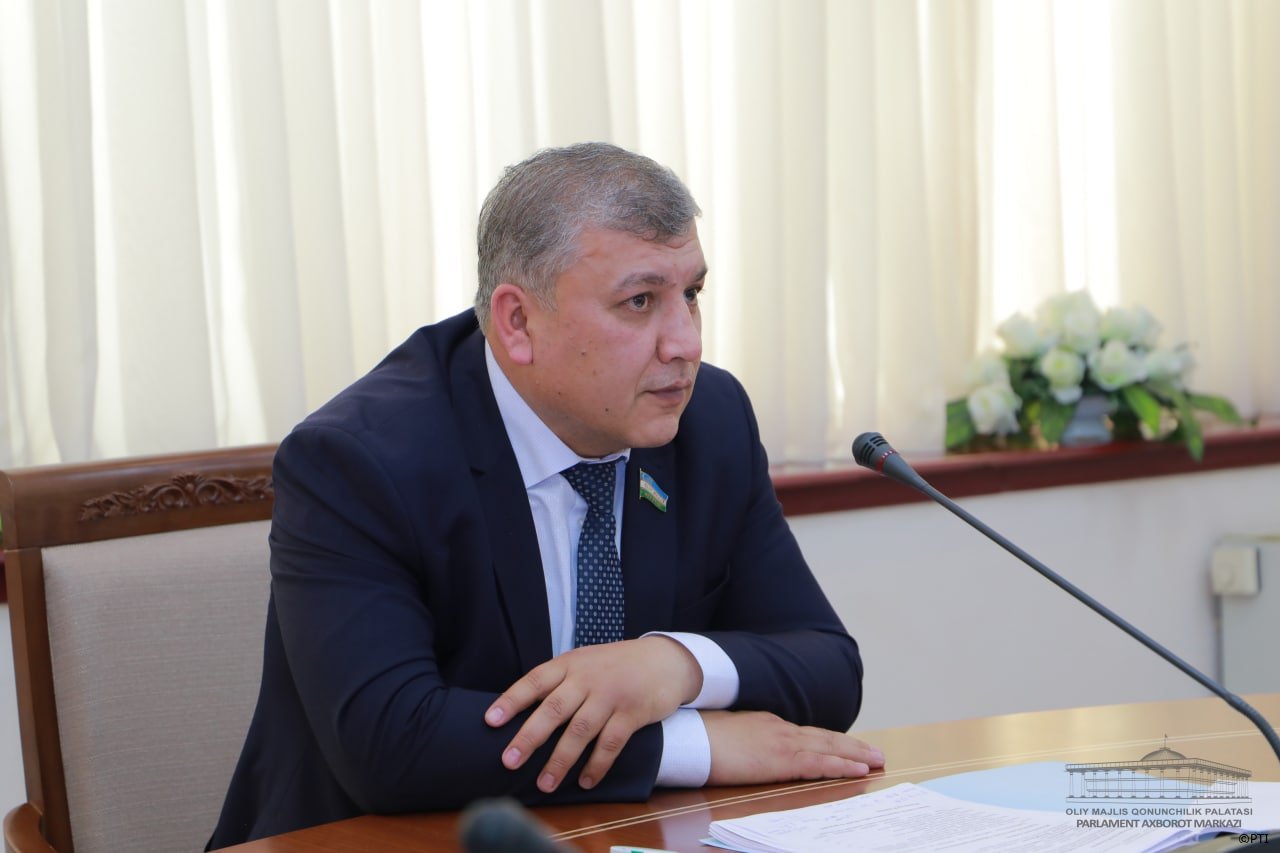
Nosirjon AMINOV,
Member of the Oliy Majlis Legislative Chamber